
The main difference between washed and natural coffee is when the fruit comes off the seed. Washed coffee has its skin, pulp and mucilage removed before drying. Natural coffee dries inside the whole cherry, with the dried fruit removed afterward. These steps happen before roasting.
For choosing a bag, washed coffee is often a useful starting point for clear, distinct flavors; natural coffee for pronounced fruit and a fuller mouthfeel. Those are tendencies. Read the specific coffee’s tasting notes rather than treating its processing method as a flavor guarantee.
Washed vs natural coffee at a glance
| Question | Washed coffee | Natural coffee |
|---|---|---|
| What dries? | Seeds with their parchment layer, after fruit and mucilage removal | Whole coffee cherries |
| When is fruit removed? | Before drying | After drying |
| Common cup descriptions | Distinct flavors, crisp acidity, caramel-like sweetness | Pronounced fruit, sometimes wine-like notes, often fuller body |
| Does fermentation occur? | It can; a fermentation stage often helps remove mucilage | It occurs while the fruit dries around the seed |
| What should I check on the bag? | Specific tasting notes, roast and producer details | The same details; “natural” alone does not tell you how fruity it tastes |
The processing distinction follows TechnoServe’s Coffee Wet Mill Processing Guide. The cup descriptions reflect Cafe Imports’ washed guide and its natural guide.
What happens during washed and natural processing?
A coffee bean is a seed inside a fruit commonly called a cherry. Beneath the skin and pulp is a sticky layer called mucilage; parchment surrounds the seed. Processing removes the fruit and dries the coffee so it can be stored and milled.
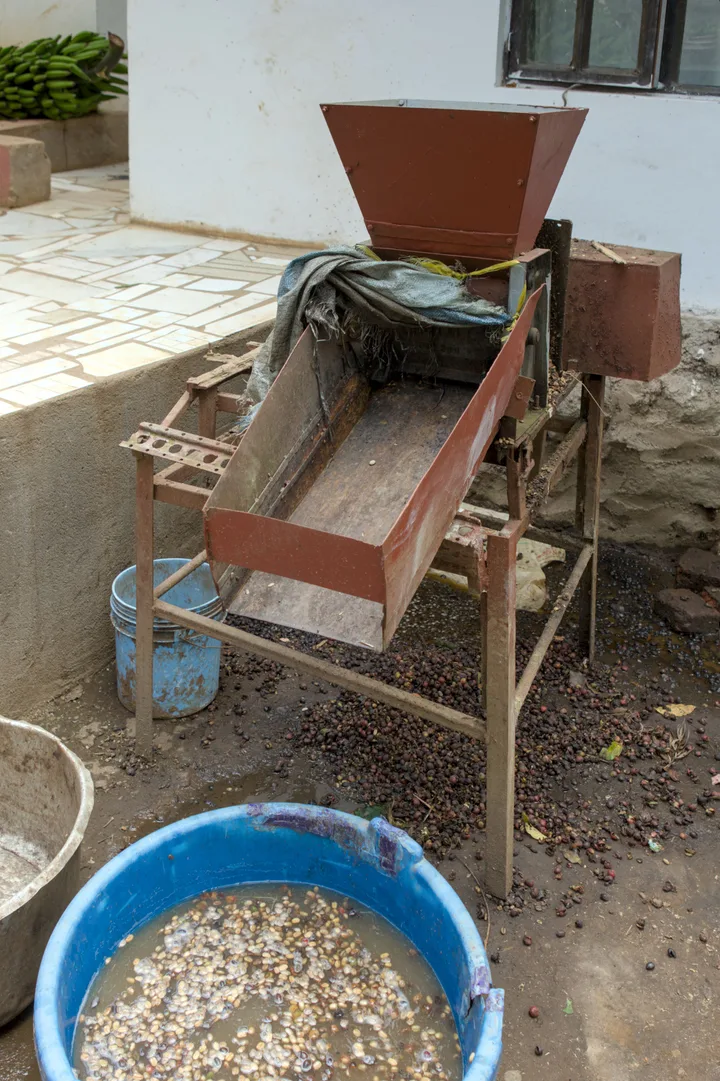
Washed coffee: remove the fruit, then dry
- Pulp: remove the cherry’s skin and much of its flesh.
- Remove mucilage: commonly loosen the remaining sticky layer through fermentation and wash it away. Mechanical mucilage removal is another approach.
- Dry: dry the parchment coffee, then remove the parchment at the dry mill.
“Washed” does not mean that every producer uses an identical tank, fermentation time or water volume. Cafe Imports distinguishes fully washed approaches from mechanical mucilage removal. The useful shared idea is fruit removal before drying.

Natural coffee: dry the whole fruit, then remove it
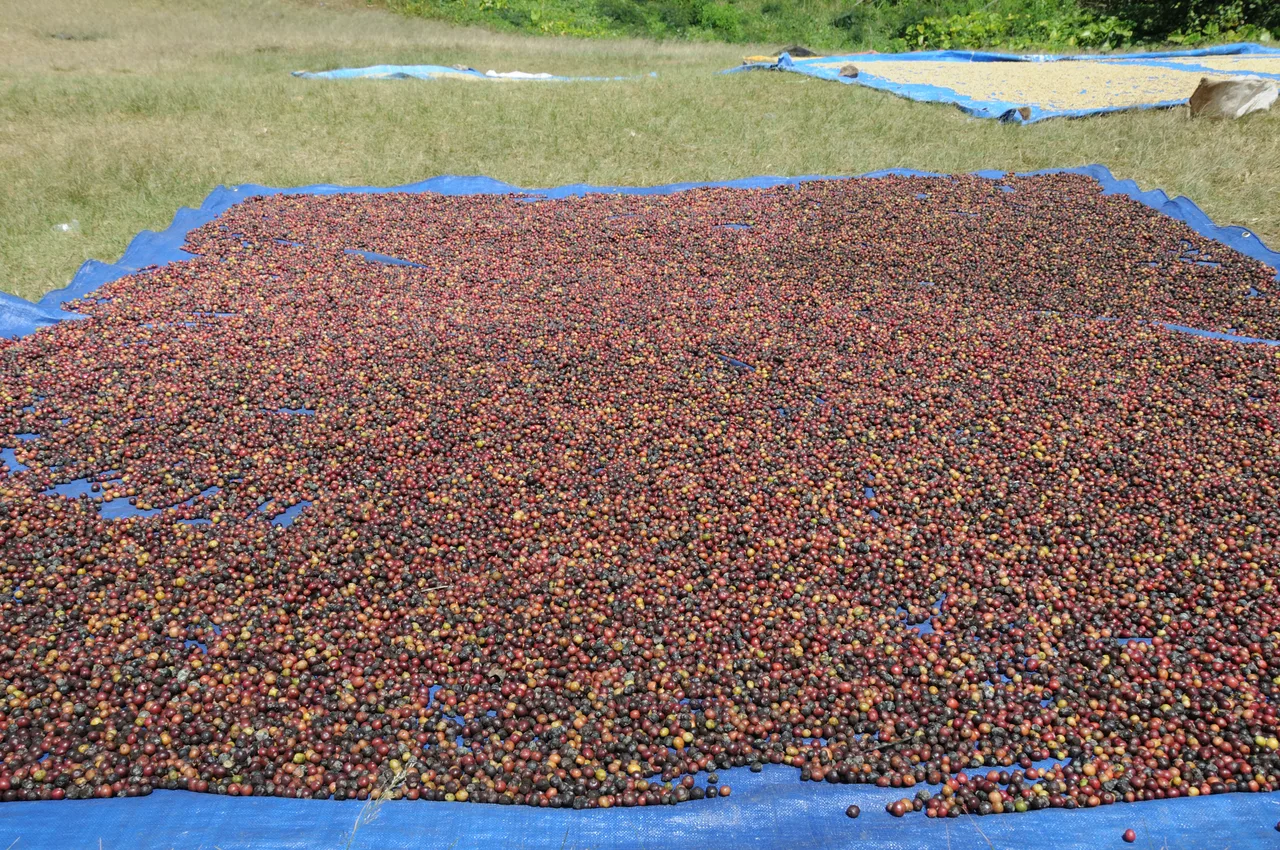
- Sort: select and sort the harvested cherries.
- Dry: keep the fruit around the seed as the whole cherry dries; manage the drying carefully.
- Hull: remove the dried fruit and outer layers to obtain green coffee for roasting.
Natural processing requires attention to drying and fermentation. It is more than leaving cherries in the sun and waiting. “Sun-dried” is also an incomplete distinction: washed coffees can be dried in the sun too.

How do they taste, and which should you choose?
In a washed coffee, you may find individual flavors easier to distinguish: a citrus impression, then a floral aroma, then a sweet finish. “Clean” in a tasting description refers to the cup’s sensory character, not a hygiene rating.
A natural coffee may put fruit aroma and a rounded texture closer to the foreground. Some suggest ripe berries or wine; others lean toward nuts or chocolate. “Natural” does not promise a strong fermented character, and washed coffee can be fruity too.
- You enjoy clear citrus, floral or tea-like descriptions: start by looking at washed coffees with those actual notes.
- You want berry-like aroma or a fuller cup: look at naturals whose roaster describes those qualities.
- You prefer chocolate and nuts: search for those notes across both methods. There is little reason to rule out either process.
- You dislike wine-like or fermented impressions: check the producer’s processing details and ask the roaster about the particular coffee, even if the bag says washed.
Treat this as a shortlist, then consider roast and the coffee itself. A process name is one piece of information, not a quality ranking.
Two real coffees that make the distinction more useful
These are published roaster descriptions checked on November 6, 2026. We have not tasted these coffees for this article. They are different lots from different producers, not a controlled test of processing, and their descriptions may change with a new harvest.
Washed example: Echemo, Tim Wendelboe
Tim Wendelboe’s Echemo page identifies Khalid Shifa as the producer, Goma in Jimma, Ethiopia as the region, and washed as the process. It lists floral, white-tea and stone-fruit notes. The production account describes depulping, wet fermentation for about 24 hours, washing and drying on shaded raised tables.
That gives you two useful corrections to a simple chart: washed coffee can have fruit notes, and washed processing can include a deliberate fermentation stage.
Natural example: Okoluu, Counter Culture Coffee
Counter Culture’s published Okoluu Natural-Sundried description places the coffee in East Guji, Ethiopia, and credits small producers working with Sookoo Coffee. Its notes are strawberry, blood orange and wildflower; the account describes whole cherries drying and specifically mentions bright blood-orange-like acidity.
This is why “natural equals low acidity” is a poor buying rule. The lot’s own description is more useful than assigning an acidity level from processing alone.
How to compare washed and natural coffee at home
For a useful personal comparison, look for two coffees from the same producer or washing station, harvest and variety, processed differently and roasted similarly. Ask the roaster how closely the lots match. If that pair is unavailable, compare what you have, while keeping the other differences in view.
- Keep the starting brew consistent. Use the same brewer, water, coffee dose, water amount and starting grind setting. This is a comparison exercise, not a claim that one recipe is ideal for both coffees.
- Taste them without milk or sugar first. Compare aroma, perceived acidity, sweetness, texture and finish. Revisit both as they cool.
- Write observations before checking the bag again. Broad words such as fruity, floral or cocoa-like are enough. You do not need to find every published note.
- Repeat before deciding. If one brew seems poorly extracted, adjust it and taste again. A disappointing first brew does not establish that you dislike the processing method.
Keep two columns in your notebook: published coffee facts and my cup observations. If the roaster says strawberry but you notice dried fruit, preserve both with their sources rather than silently replacing one with the other.
Where do honey and anaerobic coffee fit?
Honey processing removes the skin and pulp while leaving some or all of the mucilage on the parchment during drying. Cafe Imports’ honey guide explains that retained layer. The name describes processing; it does not mean honey was added. It also does not place every honey coffee at a fixed flavor midpoint between washed and natural.
Anaerobic describes a low-oxygen fermentation environment, not when the fruit is removed. A coffee can be anaerobically fermented and then processed as washed, honey or natural. Cafe Imports’ fermentation guide makes that distinction explicit. If a label only says anaerobic, ask for the rest of the processing description.
Keep processing facts separate from flavor notes
When you share a coffee, write the confirmed process beside the origin and producer information. Keep tasting notes in their own field. For Echemo, for example: Process: Washed; Roaster’s notes: Floral, white tea, stone fruits. Do not turn the word washed into an invented sensory score.
If you want a visual summary, Beanloom’s Swiss Grid template has separate processing and flavor-note fields. Copy confirmed facts, enter the notes you want to communicate, and review the result. It makes a digital 3:4 PNG; it does not infer flavors or measure the coffee. Template editing uses no Credits. Guest downloads have a watermark, while signed-in downloads are clean.
Organize your coffee details in Swiss Grid
Common questions about washed and natural coffee
Is washed or natural coffee better?
Neither process name is a quality grade. Choose by the specific coffee’s flavor description and how it tastes to you. Both methods require careful work from producers.
Is natural coffee always less acidic?
No. Okoluu’s published natural-sundried description, for example, includes bright citrus-like acidity. Perceived acidity and fruit aroma are different things; a fruity coffee can also taste bright.
Does natural mean organic?
No. Natural here names a post-harvest processing method. Check the coffee’s separate certification information if organic certification matters to you.
Which process is better for espresso?
Use the process as a clue to flavor, then check whether the roaster recommends the coffee for your espresso style. For milk drinks, ask how its notes carry through milk. There is no need to restrict espresso to one processing method.